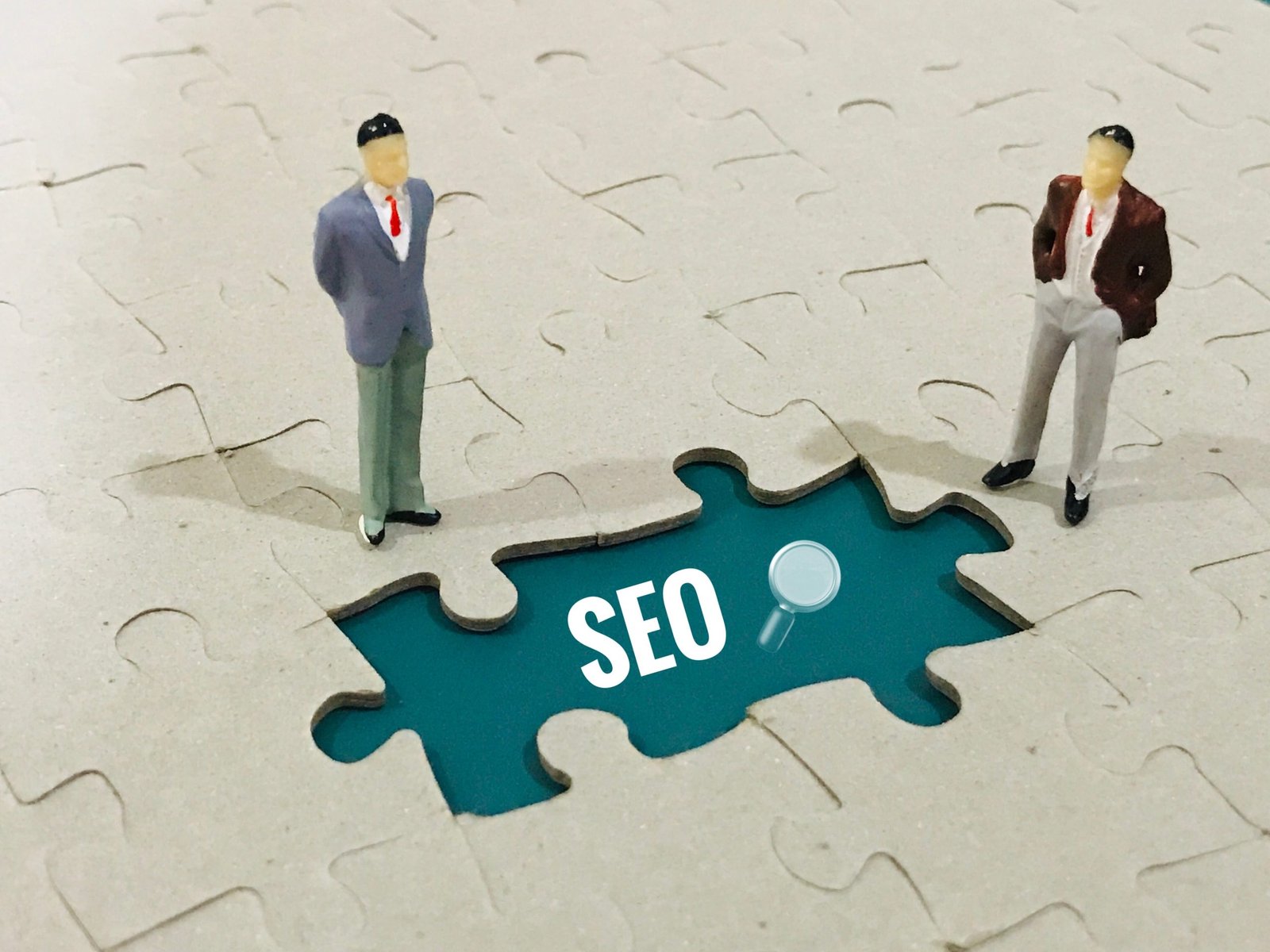

It is extremely important for businesses to adapt to the changes and get a website redesign with SEO. A redesign, if done right, can boost traffic and attract more visitors. It can also improve your search engine ranking. Still, if SEO is ignored during the redesign, then all the rankings, traffic, and, therefore, the revenue might be gone. In this guide, we are going to explain the key things you need to do to ensure that SEO-friendly websites redesign, maintain, and even increase the value previously accrued. With these strategies, your redesign will boost traffic and customer loyalty. It will also build a strong future.
Why SEO Should Be the Foundation of Your Redesign
Yes, SEO is the most crucial part of any online business, and our company is no exception. Without it, your website will rank poorly on search engines. You won’t get a chance to interact with customers. When engaging in a redesign, SEO should be considered at the beginning of the process. If you do SEO on your new website, both technical and content, search engines will be able to crawl and index your pages. It also improves usability. So, it boosts visit duration, conversion rates, and search rankings.
Including SEO in your design means you understand how your site will look to both humans and search engine crawlers. It includes page load time, mobile responsiveness, and keyword use. It also includes how well your content matches search queries.
Step 1. Start with a comprehensive SEO audit.
The first step in any website redesign is an SEO audit. It will identify your website’s current performance. An SEO audit gives you data to guide your new design. It tells you what to keep and what to discard. You will not lose any SEO value.
Key areas to focus on in the audit include:
- Keyword rankings: Decide on which keywords attract the most traffic and on which keywords you can rank closest. These should be improved in the redesign. It will help with SEO.
- High-performing pages: This way, you are in a position to decide which pages are attracting the most traffic, ranking well, or even converting massively. These pages should be left as is or further improved so as to make the most of their SEO effectiveness.
- Backlinks: Learn the most valuable backlinks to your site. They should, however, be well preserved after the redesign to ensure that the domain authority is not affected.
- Technical issues: Audit how easily and quickly a site is indexable and accessible according to contemporary SEO requirements. Fast-loading websites for SEO are beneficial to users and to search engine rankings.
An audit is a great reference as you redesign. It will help you avoid costly SEO blunders.
Step 2. Define clear goals for the redesign.
It is also important here to set specific objectives regarding the redesign of the website. Without goals, the redesign may not meet your business or SEO needs. Your goals should be both business- and SEO-savvy to really make an impact for your company.
Some common goals for a redesign include:
- Increase organic traffic: It is recommended to concentrate on the promotion of high-performing individual pages and the SEO strategies for website redesigns.
- Improve site usability: An easy, attractive, and user-friendly website design with SEO functionalities is capable of satisfying the user, thus reducing bounce rates and helping the site to post better conversion rates.
- Mobile optimization: With mobile-first indexing, having a responsive site design is compulsory. Make sure your redesign incorporates responsive website design for better SEO to help increase its ranking on mobile-friendly devices.
- Increase conversions: It is always useful to change up the structure of your site with the help of SEO specialists because it can help to adjust where you put your CTAs, how your forms look, and where your conversion paths are located.
Specific objectives will let you test the redesign’s success. They will ensure your website’s code meets SEO metrics and provides value to visitors.
Step 3. Retain SEO value during the redesign.
However, maintaining transition SEO value during a redesign is a major concern. Search rankings, traffic, and links come from your site’s structure, URLs, and technical SEO. Their loss is damaging to your business. To retain SEO value during a redesign, you should:
- Use 301 redirects: If your URLs are changing, then use 301 redirects so that search engines as well as users are directed to the new URLs. This retains link juice and excludes shedding any pertinent traffic.
- Preserve valuable content: Locate pages that are performing well with particular keyword phrases to be sure the content is either retained or improved. Never delete or rewrite high-quality content that has a high ranking because you need to replace it.
- Maintain internal linking: Two, ensure your internal links are up to date as they should link to meaningful, high-ranking pages whose URLs you’ve changed. Internal links are useful for delegating your site power as well as strengthening the general SEO.
- Back up metadata: Remember to keep and optimize key political tags including title tags, meta descriptions, and image alt tags, in case they are performing well. Build on conventional wisdom, not reinvent the wheel. Reapportion it where it’s significant.
Step 4. Optimise website architecture for SEO and UX.
Website structure is key for optimization and user interaction (UI). The reasons for clean navigation are clearer. You must keep visitors on your site and rank highly in search engine results.
Best practices for a solid website architecture include:
- Clear, intuitive navigation: It is also important to make the various links to access the areas on your site easy to find. Group the pages according to the theme and ensure that the client has easy access to any page. This enhances the UX and guarantees bots’ access and indexing of specific content on your site.
- Use of XML sitemaps: After the website redesign, it is important to generate and index a new one to help these search engines crawl your new site structure.
- Internal linking strategy: Distribute the SEO value of your website by linking internally. This helps bring attention to all pages and also helps the spiders crawl the site more easily.
Shooting our sights on such aspects shall ensure the new face of your website is friendly to both the search engine and end users.
Step 5. Prioritise mobile responsiveness and speed
Mobile optimization and speed are two of the ultimate priorities of today’s SEO strategies. Thus, websites should be optimized for mobile. Google requires sites to be responsive to all devices. A responsive website design is needed for better SEO. It will fix mobile users’ issues and boost rankings.
To optimize mobile responsiveness and site speed:
- Implement responsive design: Your site has to be responsive, which means you have to check the relevance of your site for any screen size of the gadgets.
- Optimize images: Optimize images, where images are resized to improve their small size, which makes the website’s loading time shorter.
- Improve site speed: The speed is one of the ranking factors. Use tools like Google’s PageSpeed Insights to check your site’s speed. They can find problems and delays. A fast-loading website for SEO can always perform well in SEO, which can help reduce bounce rates.
When you optimize your website to be fast and mobile-friendly, you are on the right track for both SEO and UX.
Step 6. Update the content with new keywords.
It is also important that in making your site an SEO-friendly website redesign, you update the content on your website with the latest keywords. This helps your website remain up-to-date and in the search engine’s rankings so as to be relevant to the account.
Content optimization tips:
- Conduct keyword research: When looking for new keywords, it is necessary to utilize tools that show all saturated search queries, but only those that meet your target audience’s purpose.
- Refresh old content: To optimize your content, you need to update already existing content with new keywords and make the content relevant to current searches.
- Focus on search intent: Ensure that your content answers the questions that your audience has and the content they want, thus enhancing both rankings and usage.
Fresh, accurate, and up-to-date content is very important when it comes to SEO and your rankings after the redesign.
Step 7. Use structured data for better SEO.
Using structured data, or schema markup, is a complex SEO strategy. It can improve how search engines index and present your content. Structured data may not affect search rankings. But, it helps when you want Google to understand your content. This can get you featured in rich snippets and other special searches.
To leverage structured data, ensure that:
- Organized content, like blog articles and products, gets the right schema. Events also get it.
- Your content is the whole information with the author’s name, date, and any kind of review.
- To confirm you have set up your schema properly, you use Google’s Structured Data Testing Tool to run a test on it.
Structured data formats your content for search engines. This may improve your rankings.
Step 8. Conduct thorough testing pre-launch.
Before launching a new website design, it must be tested. This is to ensure there are no problems. If your site is live and has visible problems, it will hurt your traffic and rankings. This applies to both your audience and search engines.
Here are the key areas to test before launch:
- Cross-device and cross-browser compatibility: Your site must work on any device and in any browser.
- Redirects and links: Please check all 301 redirects. They must work. There must be no broken links or missing resources.
- Page load speed: Performance testing must be done on your site and corrections made where necessary. A fast-loading website is important for SEO and a user-friendly website that does not take long to load.
Testing your application before it goes live helps reduce issues. They might harm your site’s performance and search engine ranking.
Step 9. Collaborate with experts for a successful redesign.
This is why it is very important to involve a professional SEO and web design specialist in redesigning work. SEO is a vast field. Redesign requires design and technical SEO skills. When you hire professionals, you can trust them. Your website redesign with SEO will be done correctly and quickly.
Conclusion: Set Your Website Up for SEO Success
That is why Web Design SEO integrated changes are not just an outer shell veneer but rather a deep-seated process. It is about getting the best search engine results for your site. To do this, we must improve its usability. Whether it is website redesigns, SEO checklists, or an enactment of SEO strategies for website redesigns, you can make your new website perform better with tools like structured data and 301 redirects.
At Your IT Expert, we pride ourselves on offering SEO-friendly website designs since we know how valuable they are. We can help with SEO issues and your website redesign. Our solutions are unique. They cover all aspects of your site’s performance and promotion.
With such practices, will not only retain all the SEO value currently attributed to your site but also lay a foundation for further growth.
FAQs:
In a website redesign, SEO helps get your website ready by optimizing it for the search engines. It has included the quality of the content, the speed, the mobile-friendliness, and the structure of the site to optimize the ranking and the traffic. To enhance SEO when redesigning a website, retain content, use 301 redirects for images, and make the site mobile responsive. Aim for strategic planning for website redesigns to maintain traffic. Other advantages of SEO include keeping your site’s search engine ranking up and at the forefront. Redesigning can be tough, but if properly optimized, then visitors will not run away from your site. Adhering to technical SEO website redesign best practices leads to better future rankings. Remain loyal to SEO during the redesign by incorporating substance that has a high ranking, 301 redirects, and a link format. Always adhere to the website migration SEO checklist to avoid being punished by the search engine gods; this will help reduce the extent of the ranking drop. Website redesign for SEO contains the features of the website’s speed, mobilization, simple URL structure, image optimization, besides convenient navigation. They both enhance UX and rankings. Some basic requirements of any SEO-friendly website are proper page speed, meta-tag optimization, mobile compatibility, and quality content. Discover how to invert your website redesigns to make sure your site can be viewed more often. The layouts must be mobile responsive. Google's index uses the site's mobile version. A responsive website design for better SEO means it will rank well on all devices. Follow best practices for website redesign and SEO. Here are some ranking factors: 1. Retain existing URLs. 2. Use 301 redirects. 3. Enhance page speed. 4. Fine-tune content. 5. Ensure mobile-friendliness. Another one is fast-loading websites for SEO. Where sites are faster, the rank is higher and user satisfaction is also higher. Further, compress images and external scripts. Reduce the server response time. A bad redesign can be very damaging to the website’s SEO. To prevent this, take these SEO steps for the website redesign: the URL must be unique and unchanged. Implement redirects. Optimize the site for speed and functionality on mobile devices.What is SEO in website redesign?
How to improve SEO during a website redesign?
Why is SEO important in a website redesign?
How do I retain SEO value during a redesign?
What are SEO-friendly features for website redesign?
What makes a website SEO-friendly?
How important is mobile responsiveness for SEO?
What are the best practices for website redesign and SEO?
How does website speed impact SEO?
Can a website redesign harm SEO?